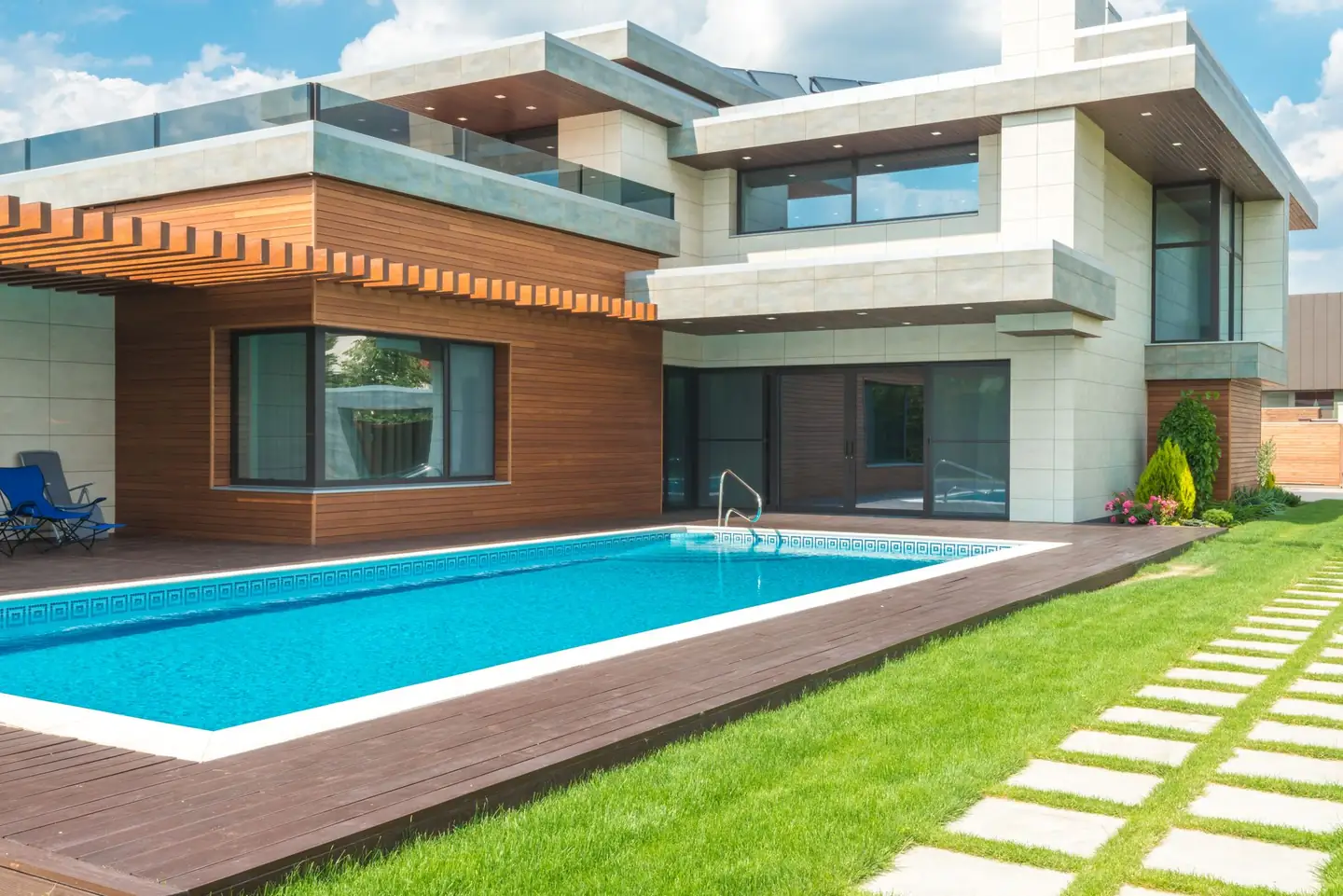
Our Pool Building Services in Halekulani
-
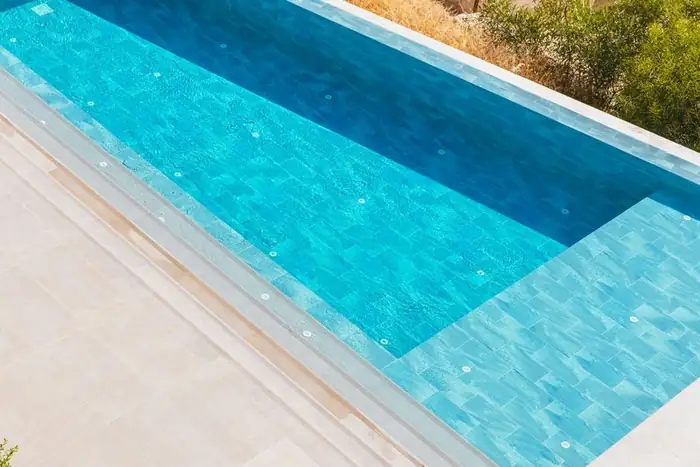
Concrete Pool Construction in Halekulani
Engineered, steel-reinforced concrete pools built to last for decades across Halekulani and the wider Central Coast area.
-
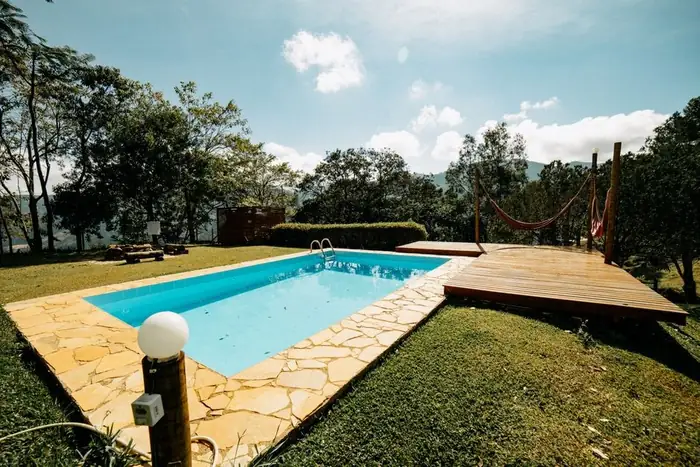
Fibreglass Pool Installation in Halekulani
Pre-moulded fibreglass shells with a smooth, durable gelcoat finish, installed right across Halekulani and the Central Coast area.
-
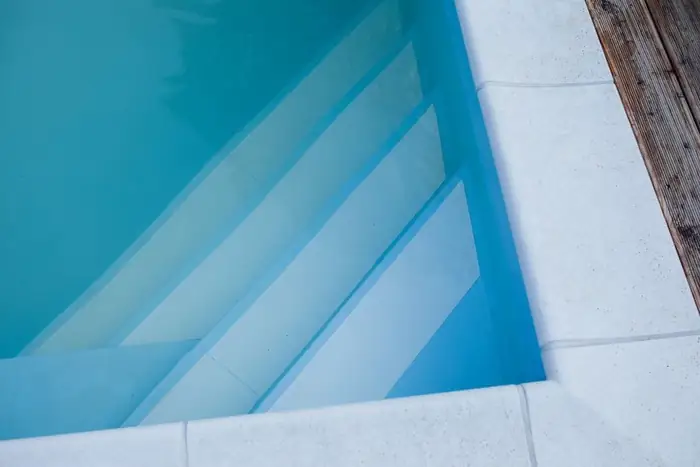
Plunge Pool Construction in Halekulani
Compact plunge pools that bring deep, cooling water to small Halekulani yards, terraces and tight courtyards.
-
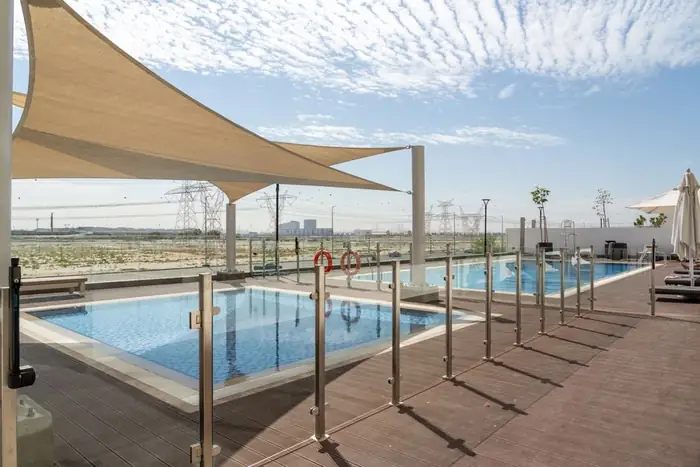
Pool Fencing & Safety Barriers in Halekulani
Compliant child-safety barriers for Halekulani pools built to AS 1926.1, in frameless glass, semi-frameless glass or tubular aluminium.
-
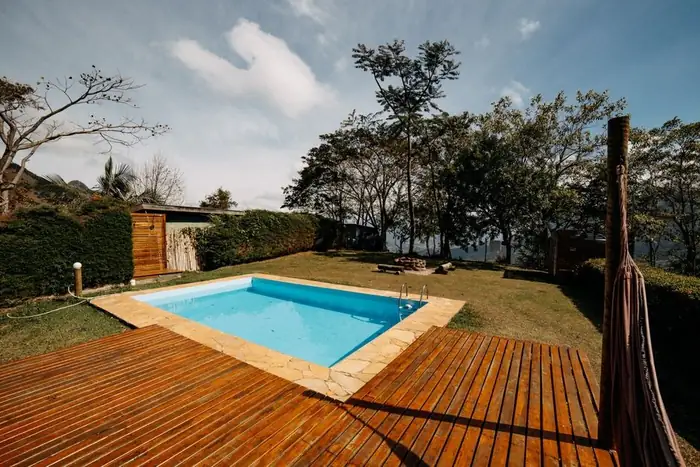
Pool Decking & Paving in Halekulani
Slip-resistant pool decking and paving for Halekulani homes in timber, composite and stone, built for wet feet and sun.
-
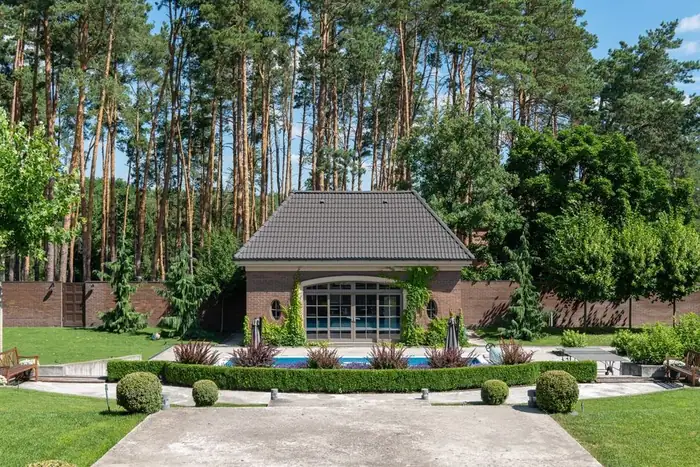
Pool Landscaping & Surrounds in Halekulani
Pool surrounds designed for Central Coast blocks and the Central Coast climate, using durable, low-maintenance materials around the water.
Planning Your Halekulani Pool, Start to Finish
Building a swimming pool in Halekulani 2262 is a substantial project, and a local builder carries it end to end so the detail is handled properly. That work begins with a design suited to your block, then approval, set-out and excavation, the shell and plumbing, the safety barrier, paving and the interior finish, and finally handover of a pool that is ready to swim in. A builder who works regularly across Central Coast understands the practical realities of the area: how tight side access shapes which machinery can reach the site, how local soil and slope affect engineering, and whether your job suits a Complying Development Certificate through a private certifier or a Development Application lodged with council. A pool fits the Central Coast lifestyle well, giving a household somewhere to cool off and gather through the warmer months, and it tends to hold its value when it is built to a proper standard. The choice between concrete and fibreglass, the layout, the depth and the surrounds are all decisions worth making with someone who has built in Halekulani before. Done methodically, the process is far more straightforward than most homeowners expect.
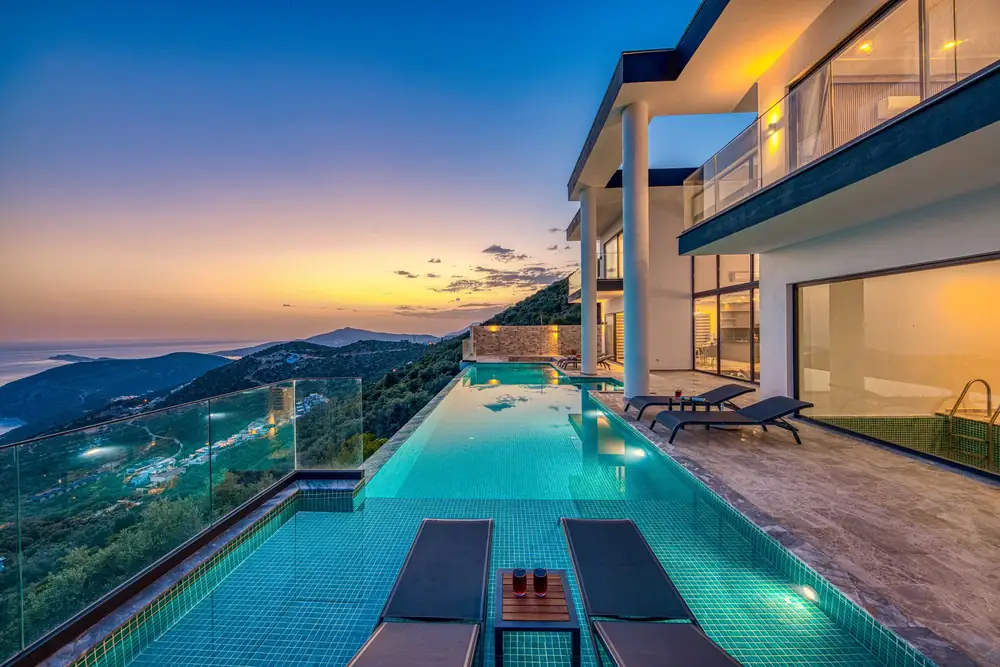
From New Builds to Renovations in Halekulani
Pool building in Halekulani is not a single service but a set of related ones, and a homeowner can draw on as much or as little as a project needs. The headline work is new pool construction, split between concrete pools formed and sprayed in place for full customisation and fibreglass pools delivered as a moulded shell for a faster install. Around those sit the compact builds that suit tighter Central Coast blocks, namely plunge pools for courtyards and lap pools for long, slim yards. Existing pools are well catered for as well: resurfacing renews a worn interior, renovation reshapes and modernises an older pool, and repair work tackles leaks, cracks and failed equipment before they worsen. Fencing is its own discipline, given that New South Wales law requires every pool to be enclosed by a barrier meeting AS 1926.1, complete with a compliant gate and non-climbable zone. Heating, in solar, heat-pump or gas form, lengthens the season a Central Coast pool can be used, while landscaping, paving and decking turn the surrounding area into proper outdoor living space. Saltwater and mineral systems are available for those who prefer softer water. The breadth means a Halekulani pool can be built, renovated or upgraded one element at a time.
- Concrete Pool Construction in Halekulani
- Fibreglass Pool Installation in Halekulani
- Plunge Pool Construction in Halekulani
- Lap Pool Construction in Halekulani
- Infinity & Wet-Edge Pools in Halekulani
- Small & Courtyard Pools in Halekulani
- Pool Renovation & Remodelling in Halekulani
- Pool Resurfacing & Interiors in Halekulani
- Pool Fencing & Safety Barriers in Halekulani
- Pool Landscaping & Surrounds in Halekulani
- Pool Decking & Paving in Halekulani
- Pool Heating & Solar in Halekulani
- Saltwater Pool Systems in Halekulani
- Mineral Pool Systems in Halekulani
- Spa & Spa-Pool Installation in Halekulani
- Pool Repairs & Leak Detection in Halekulani
Choosing a Pool Type for a Halekulani Home
The pool type that suits a Halekulani home depends on the block, the budget and how the household intends to swim. Concrete is the most flexible, formed and sprayed on site so it can take any shape, depth or feature, which makes it the usual choice for split-level yards, feature designs and awkward Central Coast blocks; it costs more and takes longer, generally from about $55,000 to $120,000 or beyond. Fibreglass arrives as a moulded shell and is craned in, so it installs far faster, runs at a lower price of roughly $35,000 to $75,000 installed, and has a smooth finish that holds up well with modest upkeep, though the shape is fixed to the moulds available. Plunge pools suit compact courtyards where a deep cooling pool matters more than length. Lap pools turn a narrow side yard into a place to swim laps, and a courtyard pool makes use of a small terrace that could not take a full design. An infinity or wet-edge pool fits a raised, view-facing Halekulani block, though it is a precise concrete build. Weighing access, fall and intended use against budget is what points a household to the right type for its Central Coast property.
Concrete or Fibreglass for Your Halekulani Home
Picking a pool for a Halekulani home comes down to how the strengths of each type line up with the block, the budget and the intended use. Concrete delivers complete design freedom and exceptional longevity, since it is formed and sprayed in place and can be shaped to any block, including awkward or sloping Central Coast sites, and finished with high-end features; the trade-off is the highest cost and the longest build, typically a few months. Fibreglass takes the opposite approach, with a moulded shell craned in for a quick install, a low-maintenance gelcoat finish and lower running costs, the catch being that shape and size are set by the available moulds. Two further options earn their place on smaller properties. A plunge pool fits a tight courtyard or terrace, giving a deep, cooling pool with room for swim jets and heating, and a lap pool makes use of a narrow Central Coast side yard for daily swimming. The way to decide for a Halekulani backyard is to weigh space against budget against purpose: a fully bespoke design points to concrete, a fast and economical pool points to fibreglass, a small block points to a plunge pool, and a fitness focus points to a lap pool.
The Build Sequence for a Halekulani Pool
The order of work on a Halekulani pool rarely changes, and each stage sets up the next. Design and a fixed price come first, settling the pool's size, position and inclusions against the realities of the site. Approval follows, taking one of two NSW routes depending on the block: a CDC signed off by a private certifier, or a DA assessed by Central Coast council. Set-out then transfers the design onto the ground and excavation begins, the depth and difficulty governed by the soil and any rock under the surface across Central Coast. Reinforcing steel and the underground plumbing are installed, after which the shell is built. A concrete shell is sprayed against the steel and formed in place, giving full control of shape; a fibreglass shell arrives complete and is craned in, which is why it lands so quickly. Once the shell is set, attention turns to the surrounds: paving and coping, an AS 1926.1 safety barrier, the interior finish and filling. Filtration, the chlorinator or mineral system and any heating are then commissioned. The whole process in Central Coast typically runs a number of weeks for fibreglass and a few months for a custom concrete pool, with weather the most common variable.
The Numbers Behind a Halekulani Pool Build
The cost of a pool in Halekulani is driven by the type you choose, its size, how easy the site is to work and the finishes you specify. As a broad guide, a fibreglass pool installed in Central Coast commonly falls between $35,000 and $75,000, while a custom concrete pool generally sits from about $55,000 to $120,000 or more for larger entertainer designs. The single biggest swing factor is the shell itself, but several site conditions push the figure either way. Difficult access that forces a smaller excavator or a larger crane adds cost, as does rock excavation when the dig hits Central Coast sandstone. Retaining walls on a sloping block, premium tiling, extensive paving and full landscaping all add up beyond the pool itself. The clearest way to understand a number is an itemised, fixed-price scope that lists every inclusion, from the shell and filtration to fencing, coping and electrical work, with any provisional sums listed separately. That way a Halekulani homeowner can see exactly what sits inside the price and what does not, and compare builders on substance rather than a single headline figure. It also makes the often-overlooked costs, such as fencing certification and bringing power to the equipment, visible from the outset rather than appearing as surprises later in the Central Coast build.
Meeting NSW Pool Safety Requirements
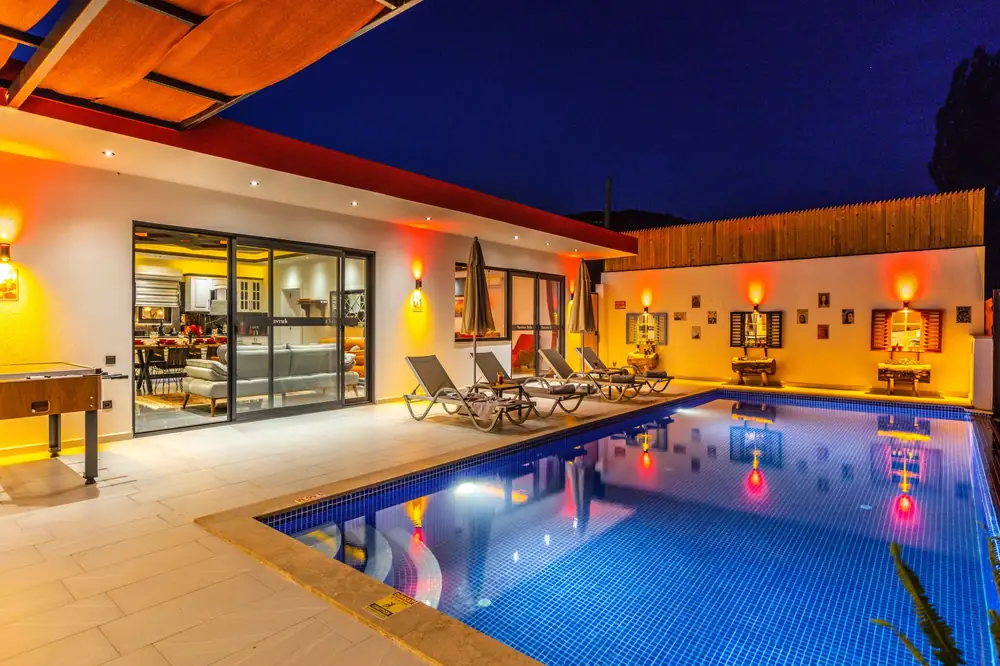
Every new pool in New South Wales sits within a clear safety framework, and understanding it takes the worry out of the process. Approval is the first requirement, and it follows one of two paths. For straightforward blocks, a pool can be approved as Complying Development, with a Complying Development Certificate issued by a private certifier, a faster route that avoids a full council assessment. Where the site is more complex, or local controls apply, approval instead comes through a Development Application lodged with Central Coast council. Whichever path applies, the pool must have a child-safety barrier that complies with AS 1926.1: a minimum fence height of 1200 millimetres, a self-closing and self-latching gate, and a non-climbable zone kept clear around the fence. Once construction is complete, the pool must be entered on the NSW Swimming Pools Register before it can be filled and used, and a certificate of compliance confirms the barrier meets the standard. During the build itself, work is carried out under SafeWork NSW requirements covering site safety. None of this is left to chance: in a Halekulani build the certification, barrier and registration are coordinated so the finished pool is compliant from the day it is first used.
Why Local Knowledge Matters in Halekulani
Aussie Pool Builder builds pools across Halekulani and the surrounding Central Coast, and the team's strength is its familiarity with the Central Coast and the way pools come together here. The business is licensed and insured for residential building work in New South Wales, and it relies on a settled group of local trades, the excavators, steel fixers, plumbers, tilers and certifiers who have worked together across many Halekulani sites. A pool is one of the more demanding things a homeowner can add to a property, and local experience reduces the risk at every turn. Knowing the typical soil and rock conditions around Central Coast informs the engineering and the excavation method before a machine arrives. Understanding the Halekulani streetscape, with its varying access and established gardens, shapes how equipment reaches a backyard. Familiarity with the Central Coast council and with private certifiers makes the approval stage, whether a Complying Development Certificate or a Development Application, far more predictable. There is also the matter of accountability: a local builder is part of the community it serves, easy to reach and motivated to protect its standing. For a Halekulani homeowner, the reassurance of a properly licensed, insured and locally experienced builder is worth a great deal on a project of this size.
Vetting Pool Builders Across Central Coast
A pool is a long-term investment, so it pays to vet any Halekulani builder carefully before committing. The first check is licensing: residential building work in New South Wales requires a current builder licence, and the relevant licence can be verified through the NSW Fair Trading public register, so there is no need to take a builder's word for it. The second is insurance, specifically current public liability cover, which protects a homeowner if something goes wrong on site. The third is the contract itself, which should set out a written, fixed-price scope detailing the pool shell, filtration, fencing, paving and any provisional sums, rather than a vague figure that can drift upward as the job proceeds. Recent local references matter too, since a builder who has completed pools nearby in Central Coast can point to real work and real homeowners. A few warning signs are worth heeding: a request for a large cash deposit, reluctance to put inclusions in writing, or an inability to show recent Central Coast projects all suggest caution. A dependable builder will also be clear about how approval will run, whether as a Complying Development Certificate through a private certifier or a Development Application through council, and about the compliant fencing the law requires.
What a Central Coast Build Has to Account For
Building a pool in Halekulani draws on a good deal of local knowledge, because the block, the ground and the council requirements all shape the job. Lot sizes and side access vary widely across Central Coast, and access in particular decides whether an excavator and crane can reach the pool area or whether smaller machinery and a longer dig are needed; a narrow side passage often determines the practical limits before any design is drawn. Soil and rock differ from street to street, and a site with shallow rock will need more excavation and engineering than one on workable ground, which feeds directly into the cost and the program. Established trees, root systems and slope add their own constraints, since a sloping block may need retaining or a raised edge and a mature tree must be worked around or protected. Central Coast council requirements set the approval path, with most pools running as a Complying Development Certificate through a private certifier or a Development Application lodged with council, and the Central Coast conditions influence the build through soil, weather and site exposure. A builder who knows Halekulani reads these factors early and plans the job around them rather than meeting them as surprises on site.
Central Coast Climate and Site Notes
The Central Coast between Sydney and Newcastle, around Gosford and Wyong, has a mild, humid coastal climate with warm summers and gentle winters moderated by the ocean and its many lakes and lagoons. The swim season is generous, commonly October to April, and the soft winters let modest heating carry a Halekulani pool towards year-round use. Coastal and lakeside blocks often sit on sand and sandy loam, which excavate easily but can need shoring and careful compaction, while inland and ridge sites bring Hawkesbury sandstone and clay. Low-lying land around the lakes and creeks is flood and tidal-inundation prone, so finished pool and equipment levels should be checked against council mapping. Salt air rewards corrosion-resistant fittings and good circulation. Siting for afternoon sun and the sea breeze, while keeping nearby tree litter in check, keeps the water comfortable across Central Coast.
Frequently Asked Questions About Pool Building in Halekulani
- What does a pool cost to build in Halekulani?
- In Halekulani, fibreglass pools commonly fall between $35,000 and $75,000 installed, and concrete pools between $55,000 and $120,000-plus, depending on size and finishes. Tricky access and soil conditions across Central Coast can shift the price, which is why an itemised, fixed-price scope for your exact Central Coast site gives the most accurate figure.
- Should I choose a concrete or fibreglass pool?
- Concrete pools offer full design freedom in any shape, size or depth and suit unusual or sloping Halekulani blocks, but they cost more and take longer to build. Fibreglass pools install faster, cost less and need less maintenance, with a smooth gelcoat finish. The right choice in Central Coast comes down to your block, your budget and how you plan to use the pool.
- What is the typical pool build timeline in Halekulani?
- Most pools in Halekulani are finished within a few weeks to a few months, depending on type and complexity. Fibreglass is the quickest path to swimming; concrete takes longer because every stage is built in place. A clear construction schedule set before work starts keeps each Central Coast build on track from excavation to handover.
- Do I need council approval for a pool in NSW?
- Yes. Most pools in Halekulani are approved either as a Complying Development Certificate through a private certifier or via a Development Application lodged with Central Coast council. The pathway depends on your block size, setbacks and any local controls. Approval is part of any properly run pool build in New South Wales.
- What is the timeframe for getting a pool approved in NSW?
- A Complying Development Certificate is the quicker route in New South Wales and can be issued in weeks when the pool meets all the relevant criteria. A Development Application with Central Coast council usually runs longer because of the formal assessment process. Site complexity, setbacks and how complete the lodged documents are all influence the timeframe in Halekulani.
- What are the pool fencing rules in NSW?
- Every pool in New South Wales must have a compliant child-safety barrier that meets the AS 1926.1 standard. That means the correct fence height, a gate that is both self-closing and self-latching, and non-climbable zones kept clear around the barrier. Once built, the pool must also be listed on the NSW Swimming Pools Register before it can be filled and used.
- How much does it cost to run a pool in Halekulani?
- Expect regular outlays for power, water balancing chemicals and top-up water, with heating adding to the total when used. Choosing an efficient variable-speed pump, a salt or mineral chlorination system and a cover reduces day-to-day running costs across the year. Maintenance is straightforward on a well-built Halekulani pool with quality equipment in Central Coast.
- Can you build a pool on a small or sloping Halekulani block?
- Yes. Plunge pools and compact lap pools are designed for small Halekulani courtyards and narrow side spaces, making the most of a tight footprint. Sloping Central Coast sites are handled with retaining, engineered footings or elevated decking. An on-site assessment of access, soil and slope determines the best design for the block.
- What pool heating options work in Halekulani?
- Heating lets a Halekulani household swim for far more of the year. Solar collectors suit homes with good roof exposure, heat pumps draw warmth from the air efficiently, and gas suits fast or intermittent heating. The right choice depends on pool size, budget and how often it is used, and a cover sized to the pool makes any system in Central Coast work harder.
- Saltwater, mineral or chlorine: which pool system is best?
- A saltwater system generates chlorine from a small amount of salt, so there is no handling of harsh chemicals and the water feels softer. Mineral systems use magnesium and potassium for water that is gentler again on skin and eyes. Traditional chlorine is dosed manually and is the lowest-cost setup. Many Halekulani homes choose salt or mineral for comfort and easier upkeep.
- What is included in a typical pool build, and what site access is needed?
- A standard Halekulani build typically covers design, approval, set-out and excavation, the pool shell, plumbing and filtration, a compliant safety barrier, paving and the interior finish. Machinery needs clear side access to reach the dig, and a fibreglass shell requires room for a crane to swing in. An itemised scope sets out exactly what the fixed price includes on your Central Coast block.
- Are pools built in Halekulani covered by a warranty?
- All work is covered by warranty, with full builder licensing and insurance held in NSW. Concrete pools carry a structural warranty on the build, and fibreglass shells add the maker's warranty on top. The exact inclusions, terms and durations are detailed in the written contract so the cover on your Central Coast pool is clear from the outset.
Pool Builders Near Halekulani
Budgewoi Pool Builders
Buff Point Pool Builders
Doyalson Pool Builders
San Remo Pool Builders
Colongra Pool Builders
Doyalson North Pool Builders
Kingfisher Shores Pool Builders
Bushells Ridge Pool Builders
Budgewoi Peninsula Pool Builders
Freemans Pool Builders
Kiar Pool Builders
Canton Beach Pool Builders
Charmhaven Pool Builders
Gorokan Pool Builders
Lake Haven Pool Builders
Norah Head Pool Builders
Noraville Pool Builders
Toukley Pool Builders
Moonee Pool Builders
Magenta Pool Builders
Balcolyn Pool Builders
Bonnells Bay Pool Builders
Brightwaters Pool Builders
Dora Creek Pool Builders
Eraring Pool Builders
Mandalong Pool Builders
Mirrabooka Pool Builders
Morisset Pool Builders
Morisset Park Pool Builders
Myuna Bay Pool Builders
Sunshine Pool Builders
Windermere Park Pool Builders
Yarrawonga Park Pool Builders